-
A-A+
- Українською
- Türkçe
- Українською
- Türkçe
English
English
President of Ukraine Visits Ankara for the NATO Summit: Strengthening International Support, Advancing Defence Cooperation, and Enhancing Coordination with Partners
10 July 2026 10:34
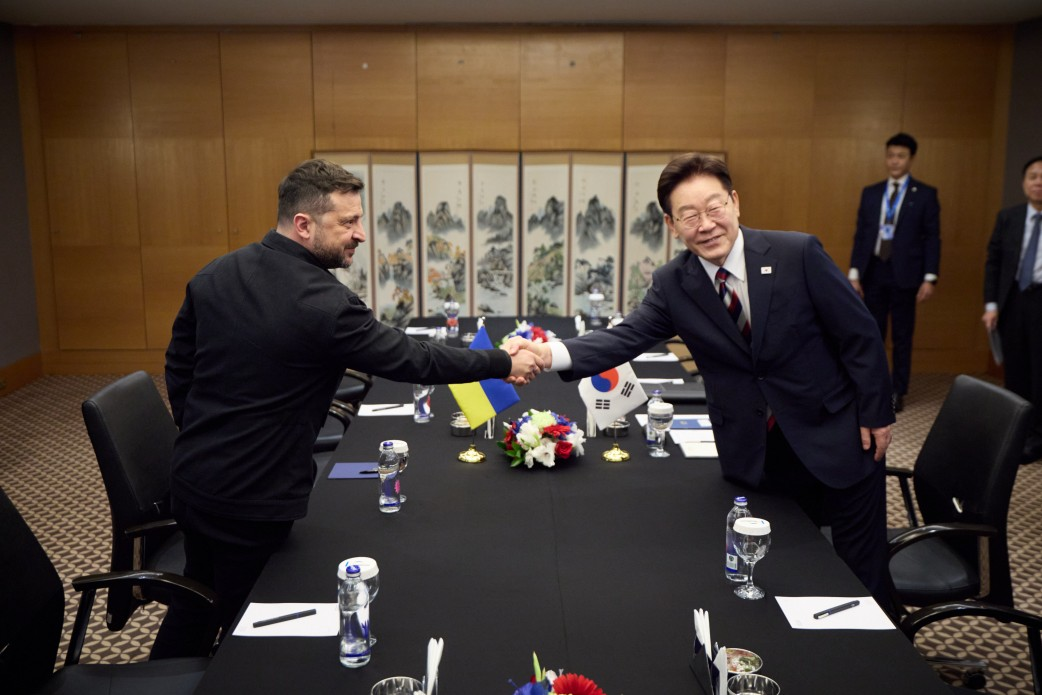
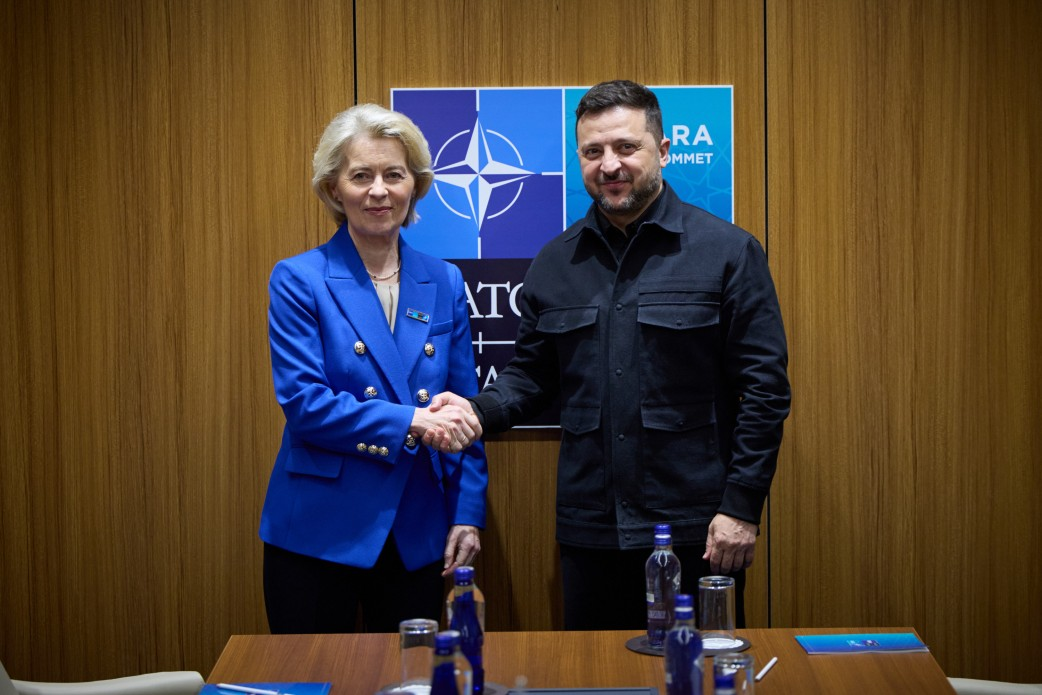
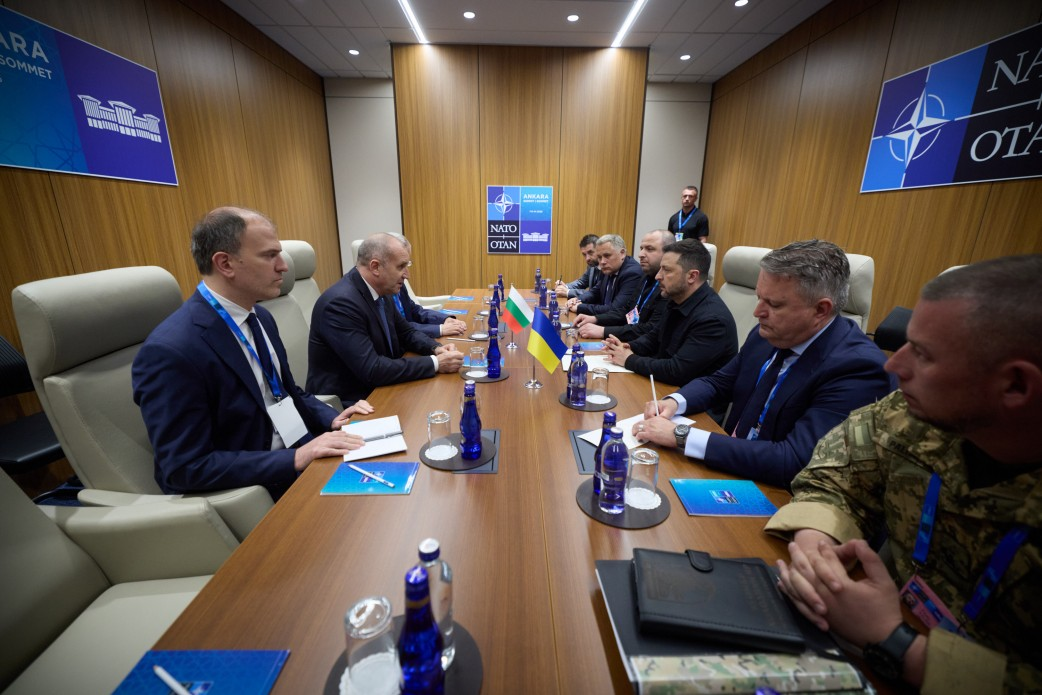
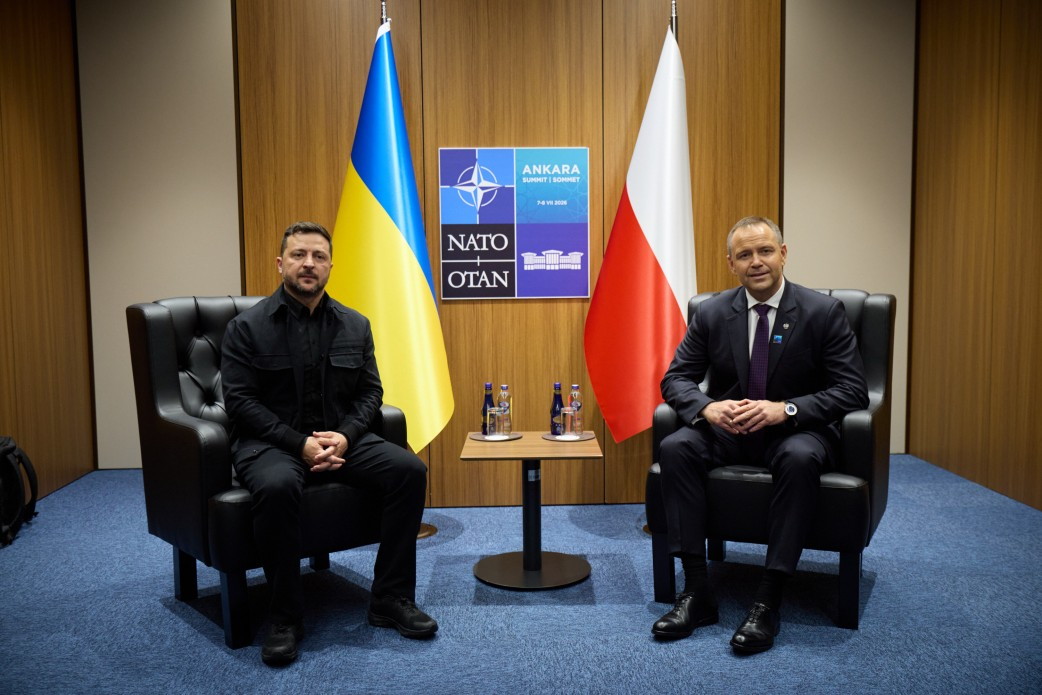
On 7–8 July, President of Ukraine Volodymyr Zelenskyy paid a working visit to Ankara to participate in the NATO Summit. During the visit, the Head of State took part in the Defence Industries Forum and held a series of high-level meetings with the NATO Secretary General, the President of the United States, the leadership of the European Union, members of the United States Congress, and the leaders of partner countries, including Germany, Denmark, Italy, Norway, the Netherlands, Sweden, Canada, Finland, Estonia, Bulgaria, and the Republic of Korea.
The discussions focused on strengthening Ukraine’s defence capabilities, with particular emphasis on enhancing air and missile defence, expanding joint defence production, coordinating international assistance, advancing Ukraine’s path toward membership in the European Union and NATO, and bringing a just and lasting peace closer.
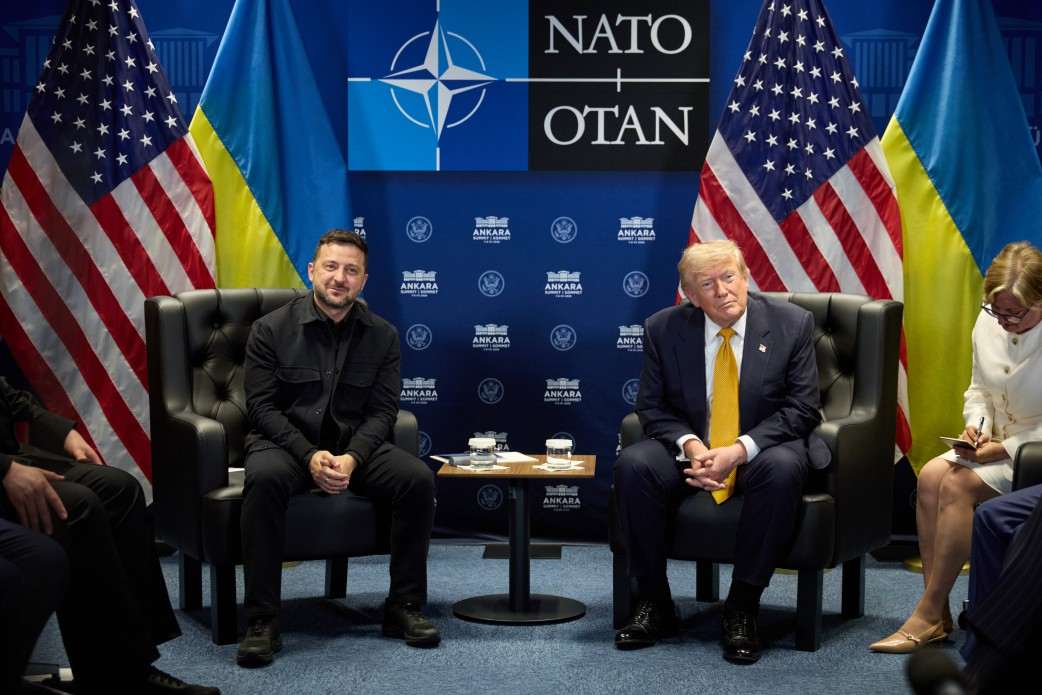
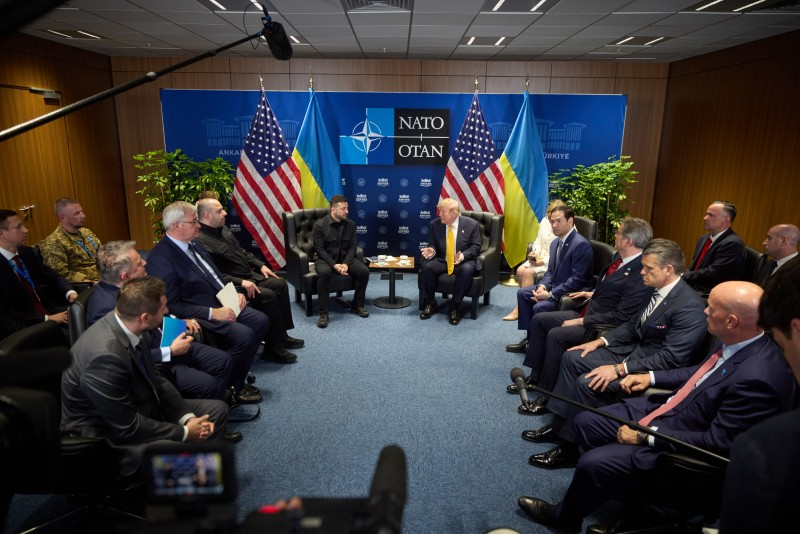
On the margins of the Summit, President Zelenskyy also met with President of the United States Donald Trump. The leaders discussed strengthening Ukraine’s air defence, diplomatic efforts to achieve peace, and initiatives aimed at reinforcing Ukraine’s position. President Zelenskyy thanked the United States for its attention to Ukraine’s urgent air defence needs and underscored the importance of the swift implementation of the agreements reached.
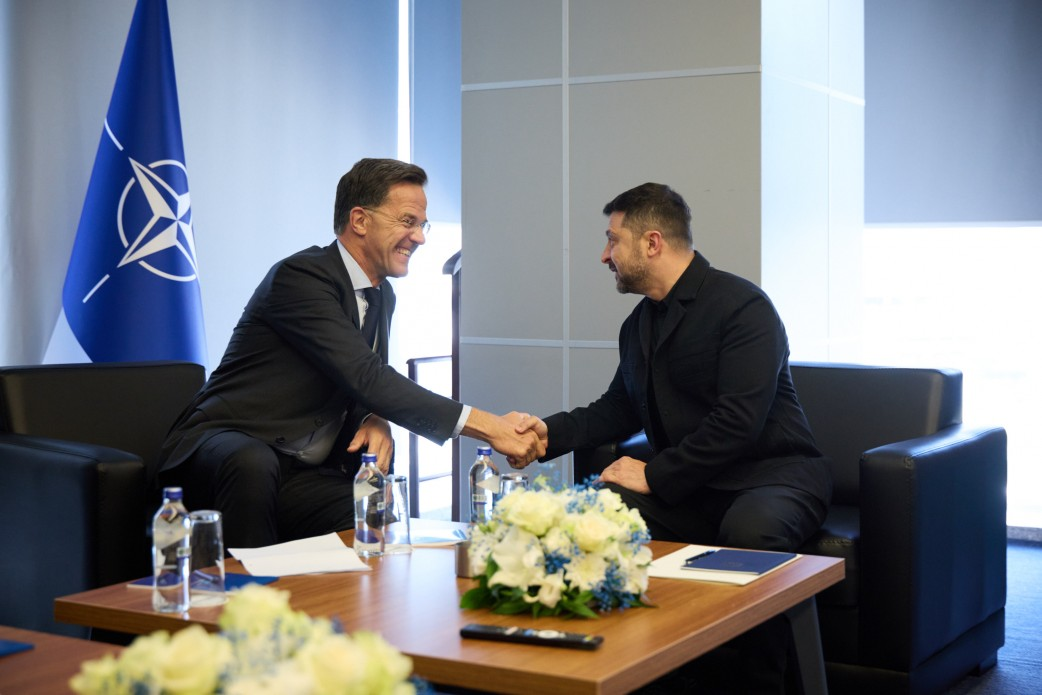
During his meeting with NATO Secretary General Mark Rutte, President Zelenskyy stressed the urgent need to increase the supply of interceptor missiles for Patriot air defence systems, expand Allies’ contributions to the Priority Ukraine Requirements List (PURL), and establish a European Anti-Ballistic Coalition. Strengthening Ukraine’s air defence was identified by the President as one of the key expected outcomes of the NATO Summit.
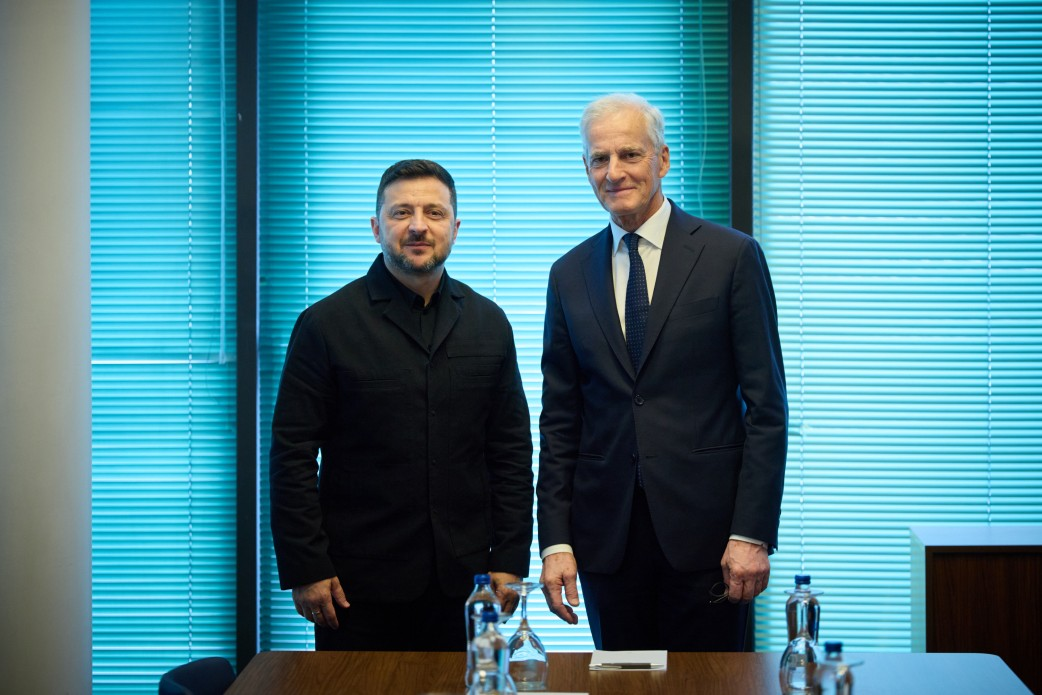
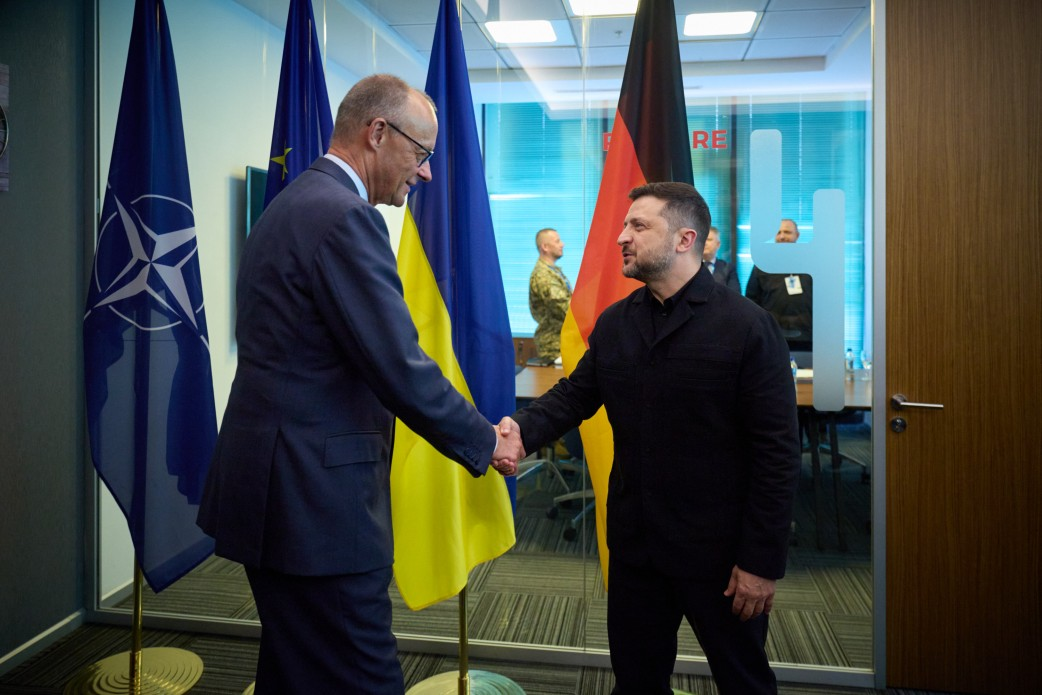
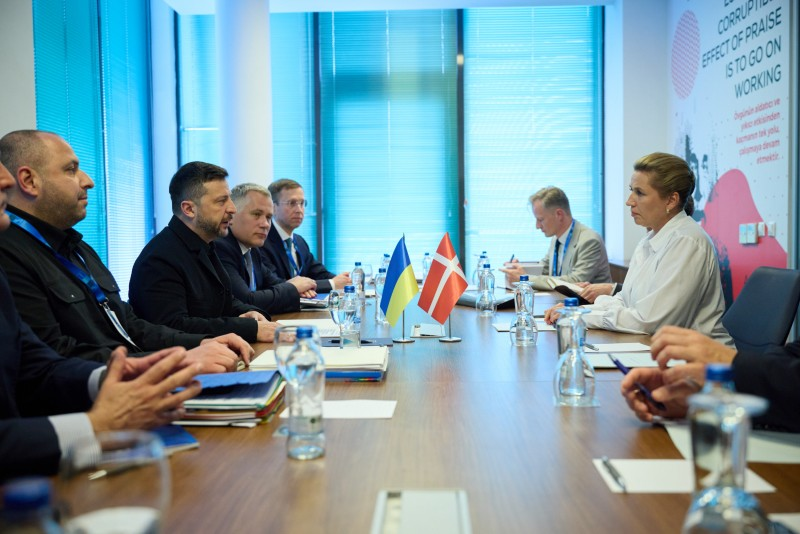
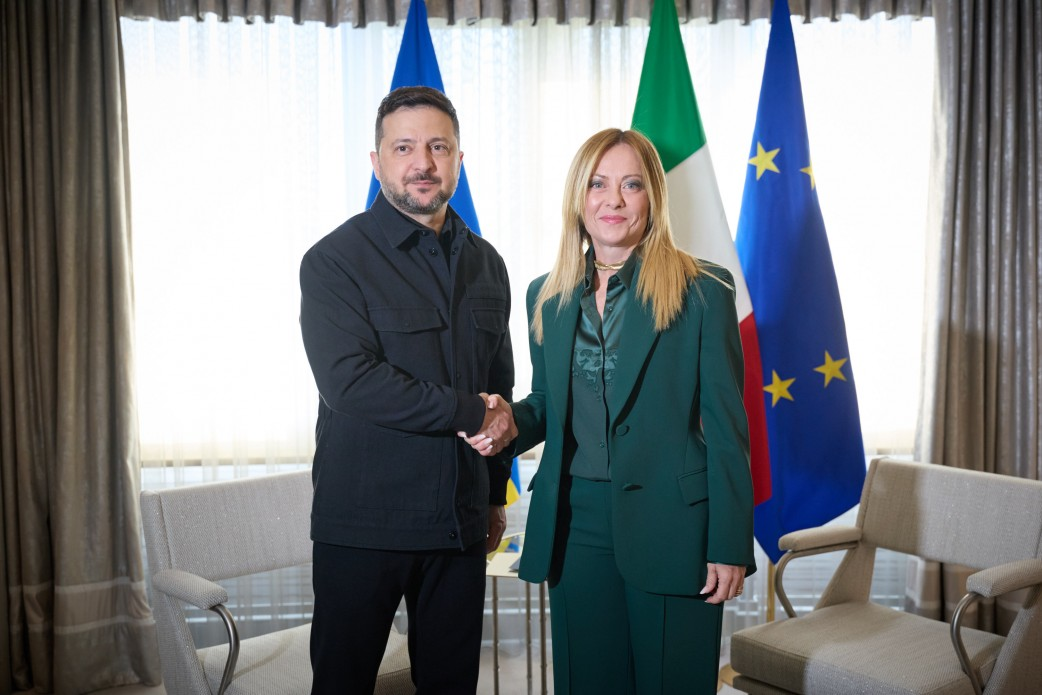
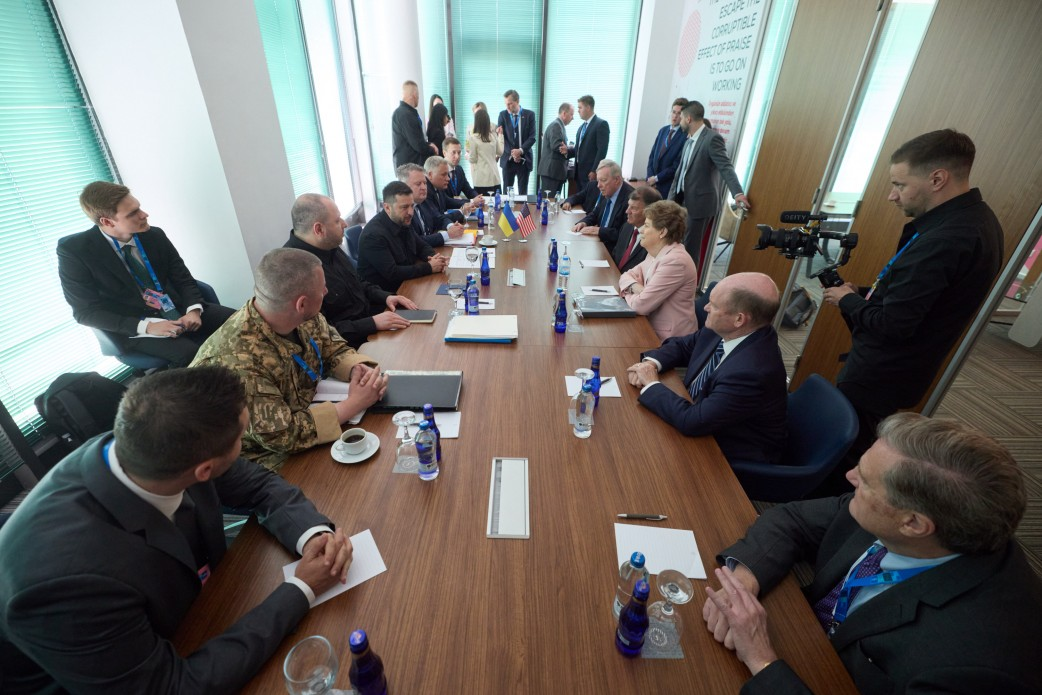
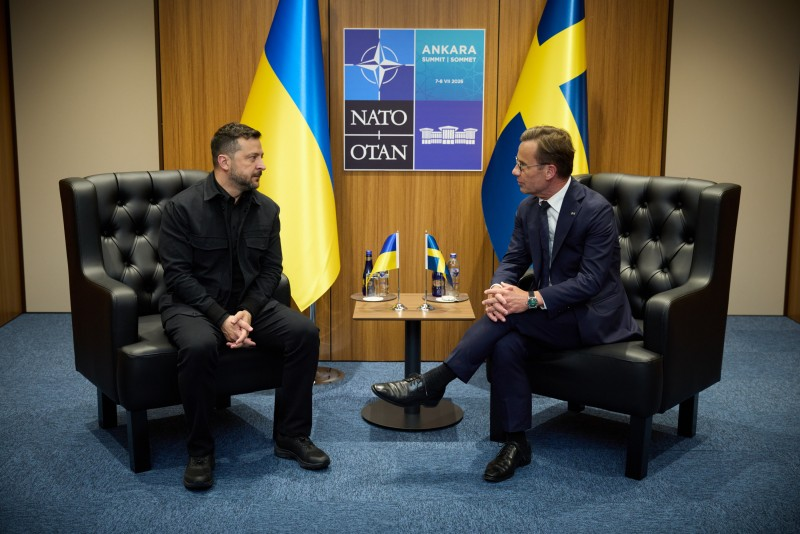
This issue also featured prominently in his meetings with German Federal Chancellor Friedrich Merz, Danish Prime Minister Mette Frederiksen, Italian Prime Minister Giorgia Meloni, Norwegian Prime Minister Jonas Gahr Støre, Dutch Prime Minister Rob Jetten, Swedish Prime Minister Ulf Kristersson, Canadian Prime Minister Mark Carney, as well as during discussions with a bipartisan delegation of the United States Congress. Ukraine’s partners reaffirmed their commitment to continuing support through additional contributions to the PURL, the provision of air defence capabilities, and the development of a joint European anti-ballistic capability.
A key component of the Summit was the Defence Industries Forum, where President Zelenskyy presented Ukraine’s experience in modern warfare and defence innovation. He noted that Ukraine has already built one of the world’s most advanced drone warfare capabilities, is effectively employing long-range strike systems, and has gained unparalleled expertise in defending against large-scale drone and cruise missile attacks. The President called on partners to expand joint production of advanced weaponry, localise defence manufacturing in Europe, and support the development of a European anti-ballistic defence system.
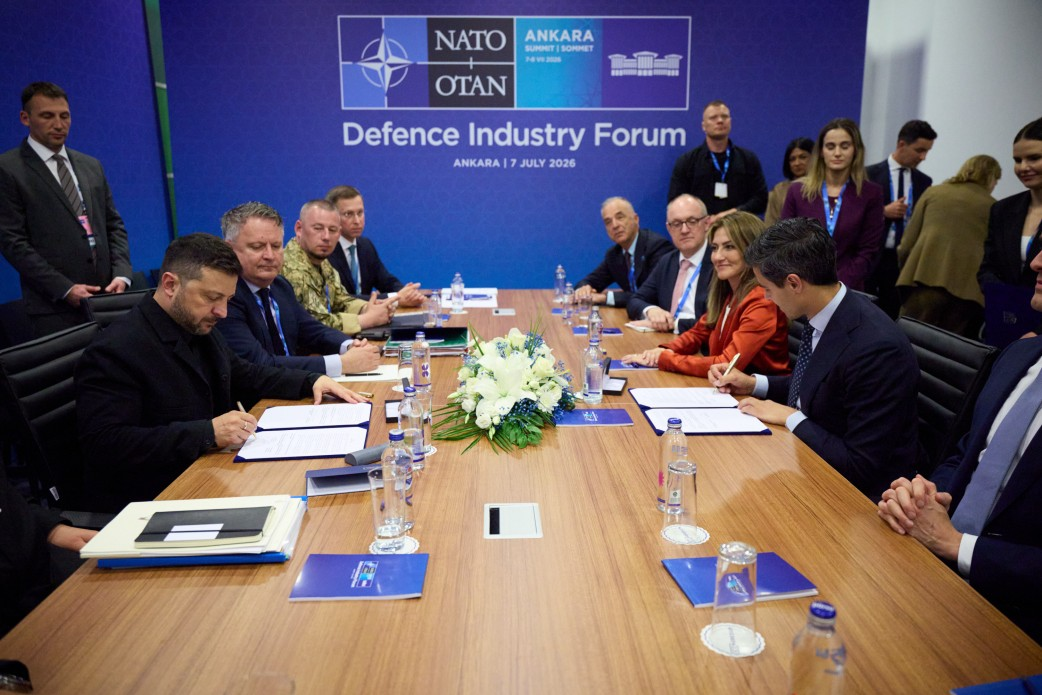
One of the Summit’s tangible outcomes was the expansion of the international Drone Deal initiative. Ukraine signed new agreements with Estonia, the Netherlands, and Denmark. These agreements provide for cooperation in the joint production of unmanned systems, air defence capabilities, sensor technologies, ammunition, cybersecurity, technology transfer, and deeper industrial cooperation. The total number of Drone Deal agreements concluded by Ukraine has now reached nine, while negotiations with nearly twenty additional countries are ongoing.
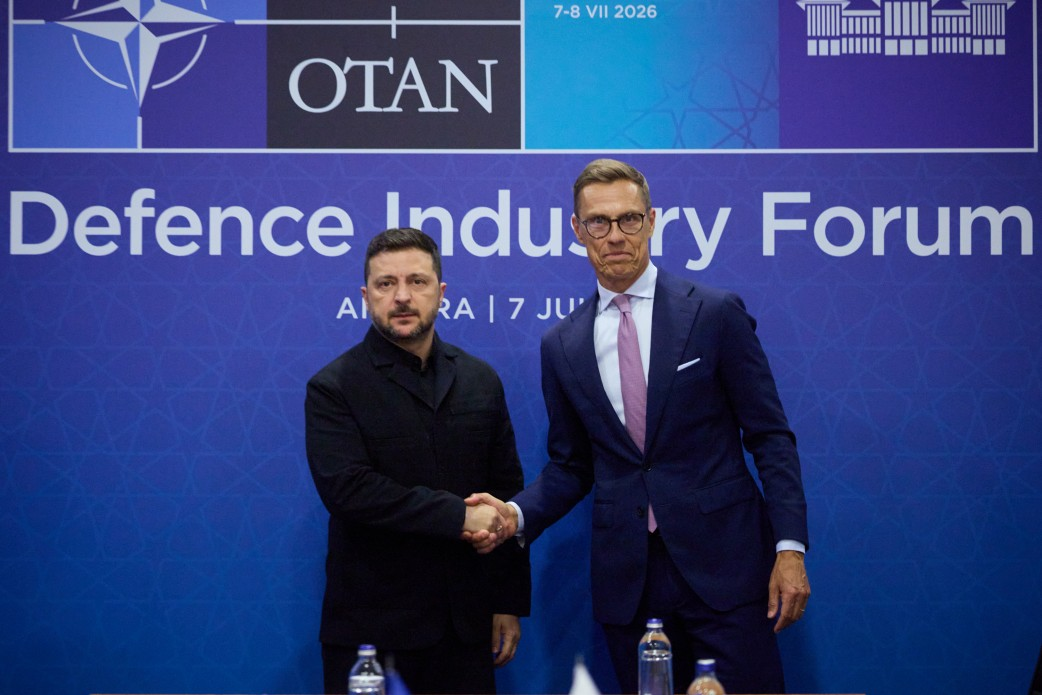
During bilateral meetings with Finnish President Alexander Stubb, the Prime Ministers of Canada, Norway, Sweden, the Netherlands, Denmark, Estonia, and other partner states, special attention was devoted to expanding defence-industrial cooperation, localising arms production, financing Ukrainian defence technologies, and strengthening partnerships between defence companies.
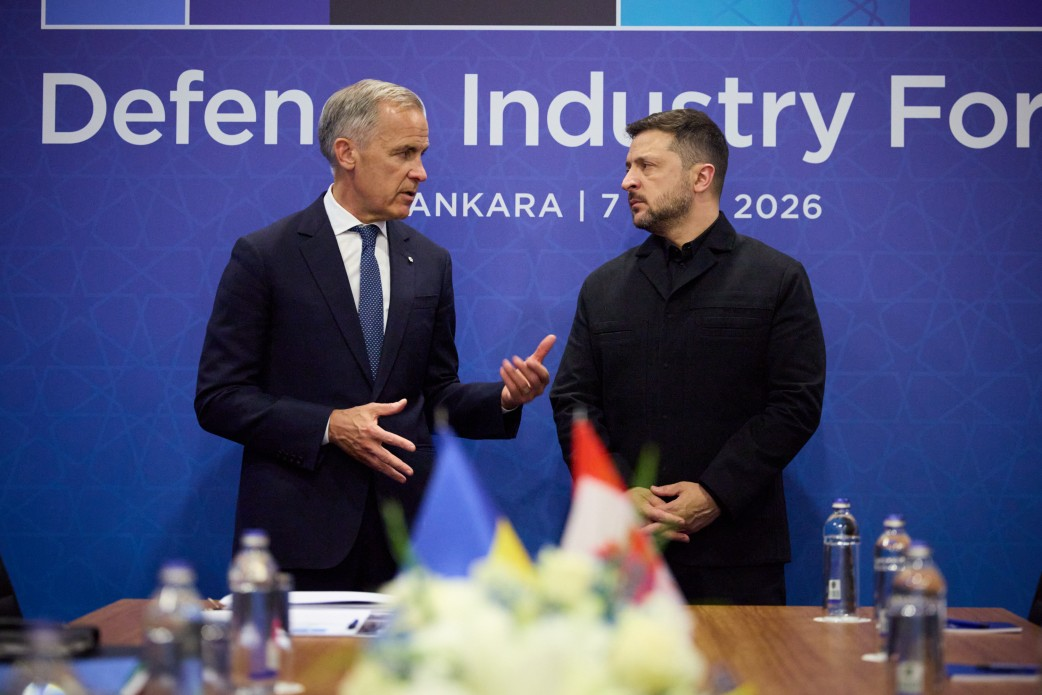
An important outcome of the Summit was Canada’s announcement of a new USD 900 million assistance package for Ukraine, including military equipment, ammunition, and additional support to strengthen Ukraine’s air defence. During his first meeting with President of the Republic of Korea Lee Jae-myung, President Zelenskyy also welcomed Seoul’s decision to provide Ukraine with a new USD 100 million assistance package.
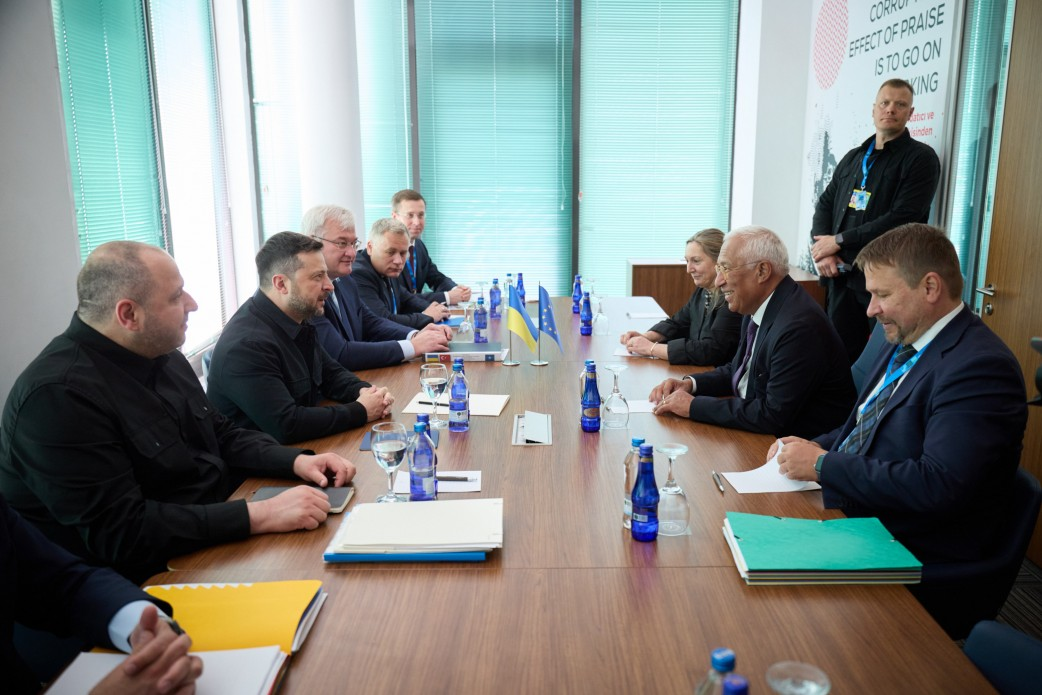
A separate block of discussions focused on Ukraine’s European integration. During meetings with President of the European Council António Costa and President of the European Commission Ursula von der Leyen, the parties discussed opening the remaining EU accession negotiation clusters, the next steps on Ukraine’s path toward EU membership, and preparations for a Drone Deal between Ukraine and the European Union. The leaders of Estonia, Finland, and other partner countries also reaffirmed their unwavering support for Ukraine’s accession to both the European Union and NATO.
The meetings also devoted significant attention to energy security and preparations for the upcoming heating season. Together with Canada, Norway, the Netherlands, Bulgaria, and the European Union, the parties discussed continued support for Ukraine’s energy sector, financing natural gas procurement, developing alternative energy supply routes, and strengthening the energy resilience of both Ukraine and Europe.
As a result of the NATO Summit in Ankara, Ukraine significantly strengthened international coordination on enhancing air defence, expanding joint defence production, implementing new security initiatives, advancing European integration, and consolidating international support in countering Russian aggression. The visit reaffirmed Ukraine’s growing role as one of Europe’s key security partners and an important contributor to shaping a new European and Euro-Atlantic security architecture.